
Crimper vs Waver: Are They the Same Tool? Five Mix-Ups, Sorted
 By Ashley Rubell Published Updated
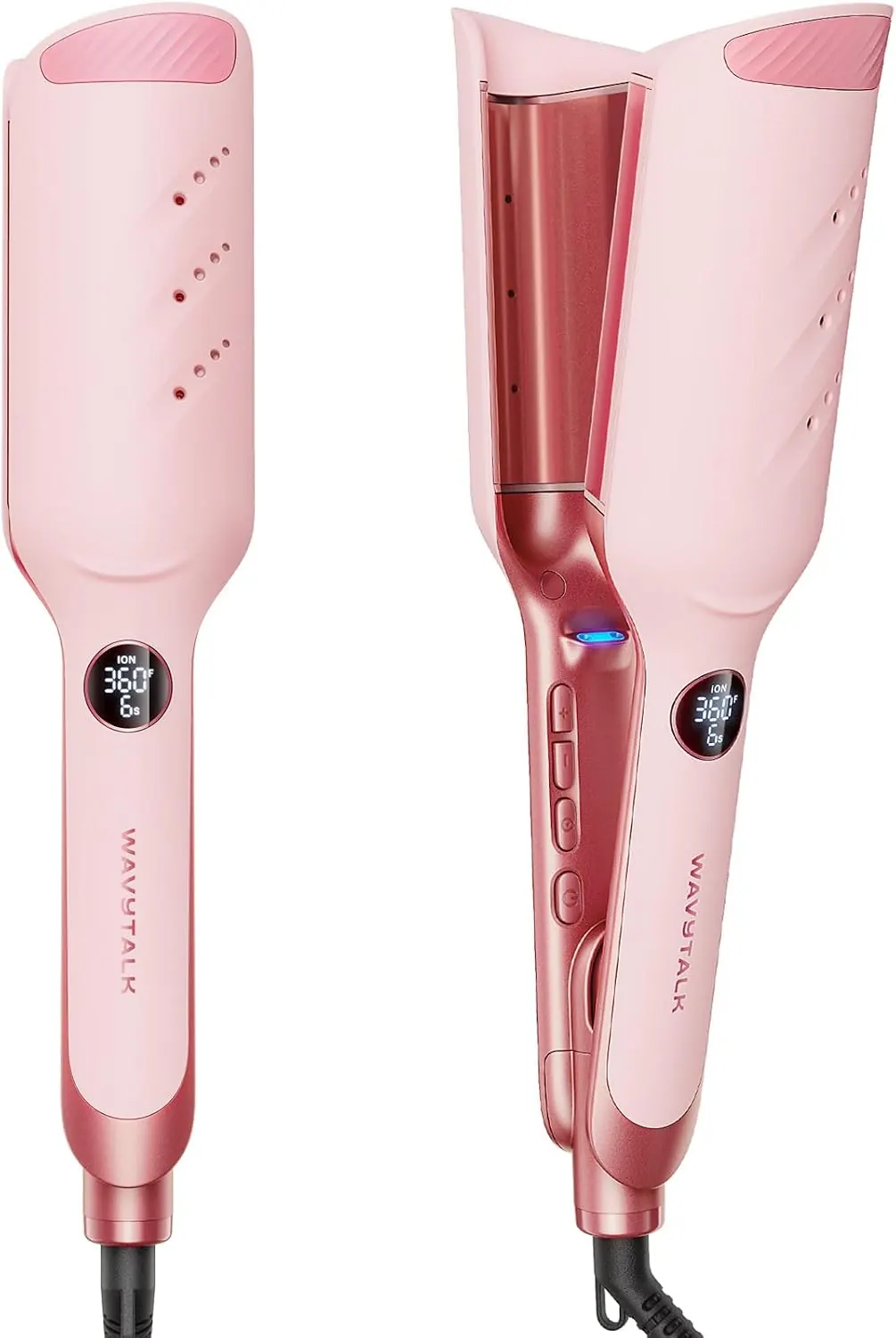
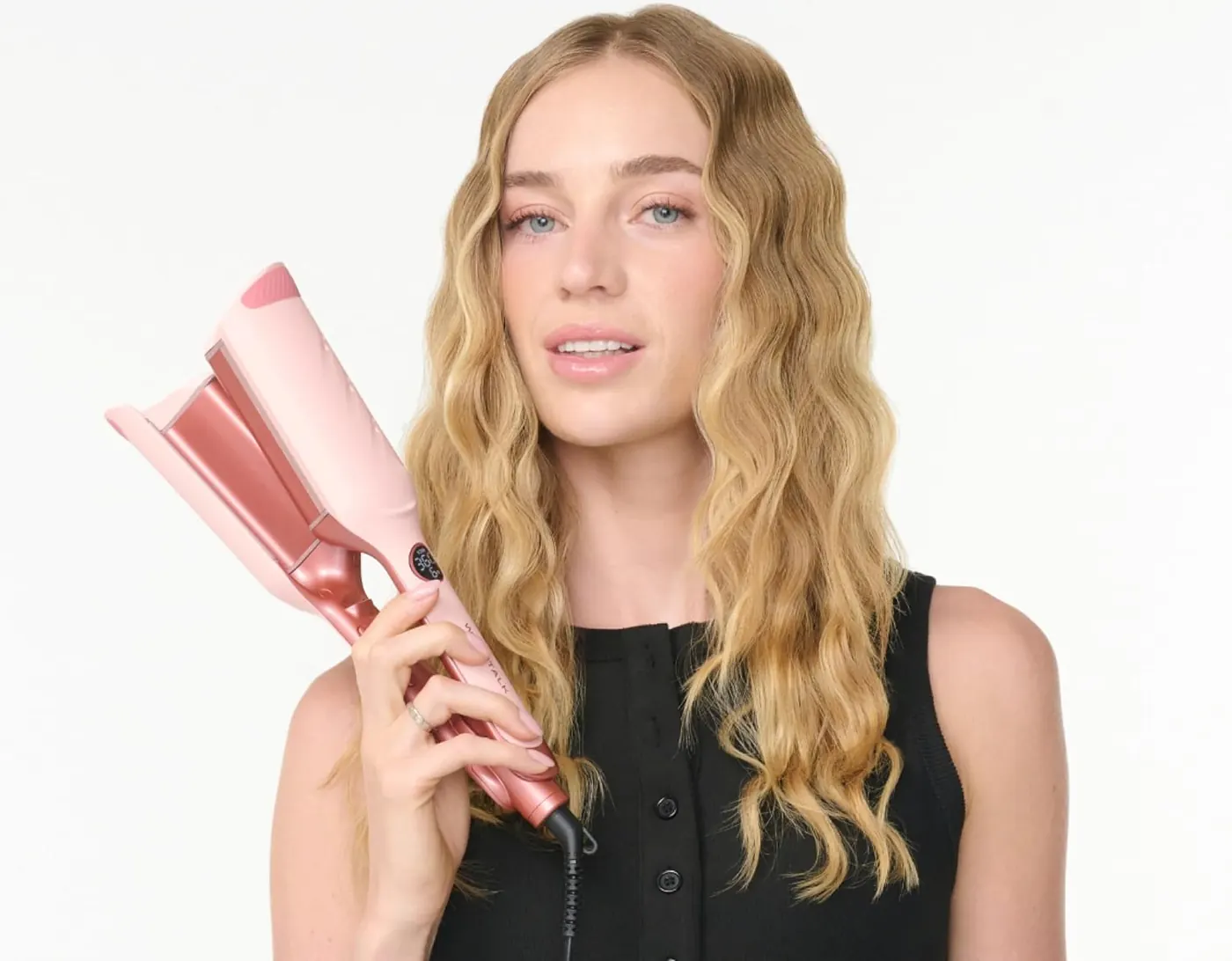
Is a crimper the same as a waver? No. Many tools sold as crimpers make soft beach waves, and a few sold as wavers press in tight zigzags, so the confusion is understandable. They aren't the same, but the names on the boxes don't help, and that includes Wavytalk's: its deep-wave tool is called the Power Wave Hair Crimper.
So skip the name and look at the plates, because plate shape decides the pattern. Below is a side-by-side table, then five common mix-ups and what's really going on with each. Wavytalk figures come from the brand's published product details, and the general styling points come from the hair guides named in the text.
Side by side
Swipe sideways to see the whole table →
| Classic crimper | Waver | Curling wand | |
|---|---|---|---|
| Shape that touches hair | Flat plates with small zigzag ridges that lock together | Large rounded barrels, often two or three, or a deep U or V mold | One round barrel |
| How you use it | Clamp, hold, release | Clamp, hold, release | Wrap hair around the barrel |
| Pattern you get | Tight, angular zigzag | Rounded S-shaped waves | Spirals and curls |
| Usual job | Root volume, retro texture, fuller-looking fine hair | Beach or mermaid waves through the lengths | Curls of one chosen size |
| In the Wavytalk range | No dedicated zigzag crimper; the Cool Curl Pencil 0.65" lists crimping and root lift among its jobs | Power Wave Hair Crimper, a 35mm deep-V dual-barrel tool | 5-in-1 Curling Wand Set |
Mix-up 1: "A crimper and a waver are the same thing"
The assumption: two names for one hot tool.
The reality: both clamp a section of hair between heated shapes, and that's where the likeness ends. A classic crimper has flat plates covered in small ridges that fit into each other, so it presses a tight zigzag into the hair. A waver has big rounded barrels, often three in a row or a deep U or V shape, and leaves a smooth S-curve. The styling guides at Curling Diva and Briton News both draw the line this way. Briton News adds that a waver is what most people are really after when they shop for a crimper.
If you want soft, rolling waves, you want barrels. If you want visible zigzag texture or hidden lift at the roots, you want ridged plates.
Mix-up 2: "The name on the box tells you the pattern"
The assumption: anything sold as a crimper makes crimps.
The reality: the category names have blurred. Wavytalk's own hair blog says a modern crimper can create "anything from soft mermaid waves to voluminous texture," and the brand sells the Power Wave as a crimper. Look at the hardware, though. It's a 35mm deep V-shaped dual-barrel tool, which is waver geometry, and Wavytalk describes the result as deep waves with lifted roots.
Two quick checks before you buy any wave tool:
- Look at the shape. Ridges mean zigzags; rounded barrels mean S-waves.
- Find the size. A 35mm barrel makes a big, even wave. Narrow ridges make fine texture.
Mix-up 3: "Crimping is just a 90s look"
The assumption: a crimper only does the full-head zigzag from old photos.
The reality: a lot of crimping today is hidden. Stylists crimp a few sections close to the roots under the top layer, then let smooth hair fall over them. The hair looks fuller and nobody sees a pattern. Briton News and Seluno Beauty both describe this root-lift trick, and Briton News points out that it helps most on fine or flat hair, while thick hair "rarely needs added volume."
For small sections at the root, a narrow tool is easier to place than a full-size crimper. The Cool Curl Pencil 0.65" has heating plates about 0.39" wide, five settings from about 280°F to 430°F, and 360° cool airflow through 104 vents. Wavytalk lists crimping and root lift among its jobs, along with straightening and curling. It sits in our Multi-Stylers range rather than being a dedicated crimper, so expect light texture, not a full retro crimp.
Mix-up 4: "A waver can stand in for a curling wand"
The assumption: waves are waves, so one tool covers everything.
The reality: a waver stamps the same pattern every time. On the Power Wave the barrel shape sets the wave size, so you can't make it tighter or looser the way you can by changing wand barrels. A wand wraps hair around a round barrel, and the curl size follows the barrel diameter.
For even, repeating S-waves from root to end, a waver is quicker and more predictable. For ringlets, classic curls or a mix of sizes, use a wand. Our curling iron barrel size guide matches barrel sizes to curl types, and the 5-in-1 Curling Wand Set puts five shapes on one handle, from a 0.5" wand up to a 1.25" barrel and a thermal brush.
Mix-up 5: "More heat and a longer hold make waves last longer"
The assumption: turn it up, clamp longer, and the wave will survive the day.
The reality: the wave sets as the hair cools, not only while it's clamped. Wavytalk's blog recommends starting with dry hair, using a heat protectant and the lowest temperature that works, and letting the style cool fully before you brush it. The American Academy of Dermatology puts it plainly: no matter your hair type, excessive heat can damage your hair.
The Power Wave gives you the controls to keep heat in check. It has eight temperatures from about 280°F to 420°F, a smart timer that runs about 4 to 10 seconds per press, and anti-scald protection. Vents and dual-channel negative ions are there to spread heat more evenly and cut frizz, according to Wavytalk. A sensible first session looks like this:
- Start with fully dry hair. The Power Wave is a waver, not a dryer.
- If your hair is fine, begin at a middle temperature and use the short end of the timer.
- Work in sections, and start each new press where the last wave ended so the pattern lines up.
- Let each section cool before you touch it. Break the waves up with your fingers afterward if you want a softer finish.
Thick, long hair needs more sections than a single wand pass, so allow extra time. The tool is dual voltage, which helps on trips abroad, though you may still need a plug adapter.
So which one do you need?
Choose by the result you want, not by the label:
- Soft, even beach or mermaid waves through the lengths: a waver with rounded barrels, like the Power Wave in our Wavers range.
- Lift at the roots of fine or flat hair: a narrow plate tool used on hidden sections, like the Cool Curl Pencil.
- Spirals or curls of a size you pick: a curling wand.
If you want to see how these fit next to the dryers, straighteners and steam brushes, our Wavytalk review walks through every category, and How to Choose Wavytalk Hair Tools narrows the range down by hair type.